Biobased biodegradable paint with pha
Application

Paint, coatings & binders

Natural chemistry, industrial performance.

And we know how to do that!

With Caleyda®

Applied with confidence, removed by nature

Caleyda can be used in paints, coatings, and binder systems to introduce renewable and biodegradable content while maintaining the functionality required during use. After application, Caleyda-based formulations can help reduce the long-term environmental impact associated with  fossil-derived materials (like alkyds and acrylics) and persistent microplastics

biobased inkt and coatings with pha

Higher formulation flexibility

Low-temperature (below 100°C) film formation and flexible processing

Sustainable formulations

Waterborne solutions with low emissions

No persistent microplastics

can be fully metabolized in wastewater treatment systems at paper mills

The Soil-Safe Coating

Why Controlled-Release Fertilizers Need Caleyda®

Remy Jongboom explains why Caleyda® combines versatile processing, sustainable formulation and high-performance barrier properties to enable more sustainable industrial applications without compromising functionality or existing processes.

How it's made

From side stream to natural material.

A new, circular chain — powered by microbes instead of oil wells.

01

Second generation feedstock

We start with organic residual and side streams — resources that don’t compete with the food supply.

02

PHAenix® technology

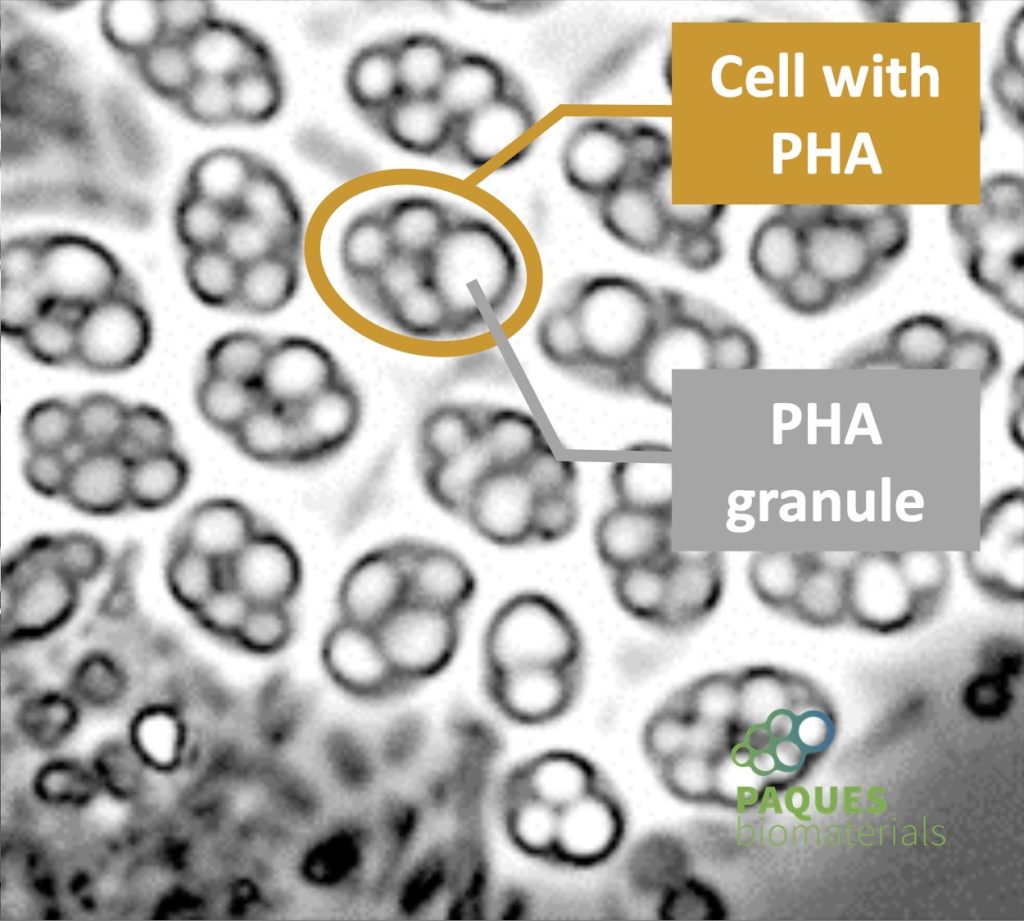
Natural mixed-culture microbes feed on the streams and produce PHA, stored inside their cells as PHA-X®.

03

Caleyda® extraction

The biopolymer is gently extracted from the biomass through the Caleyda® Extraction Process.

04

Back to nature

After use, Caleyda® is recycled mechanically or biologically — biodegrading without persistent microplastics.

Processing methods

Innovative processing methods for biodegradable biopolymers

Focus industries

Carbon-rich streams that turn into value

Pulp and paper industry

Pulp & paper

Dairy and starch industry wastewater

Dairy & starch

Brewery

Breweries

Distillery

Distilleries

Frequently asked questions

We let nature do the work.

During our PHAenix process, naturally occurring microbes produce a biopolymer (PHA) from organic residual streams. PHA is then used as the base for Caleyda®.

Unlike traditional plastics, this process uses no fossil resources, no genetic modification, and no harmful additives.

Microscopic view of PHA-producing microbes

Caleyda® biodegrades in soil, fresh water and marine environments, as well as in industrial and home composting — without leaving persistent microplastics. Certificates follow as they are obtained.

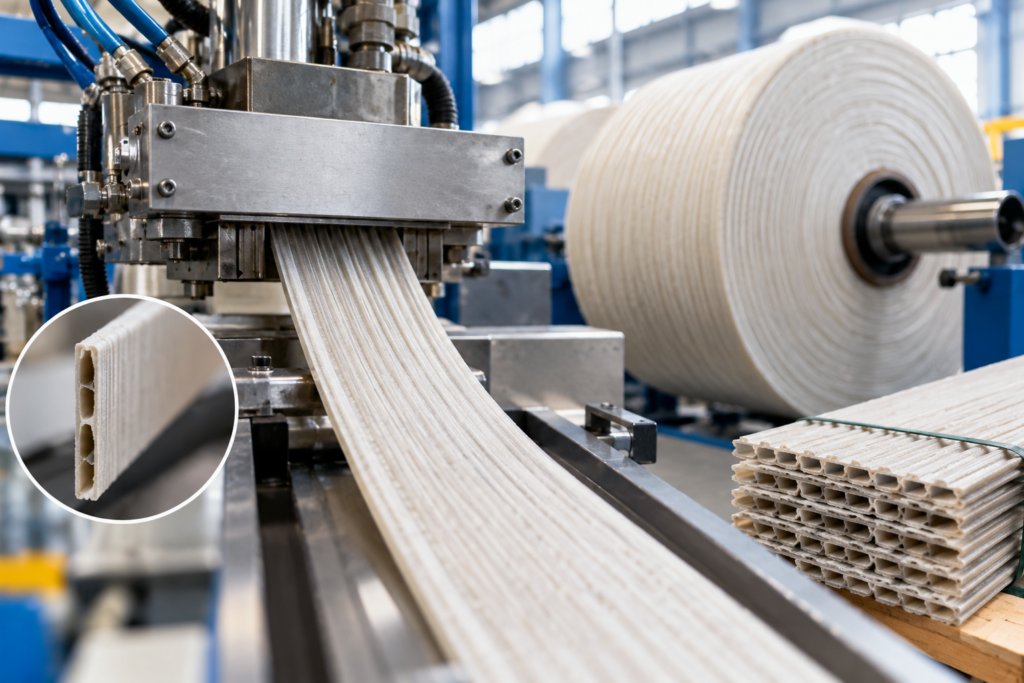
Caleyda® is processed on standard equipment: extrusion, injection moulding, 3D printing and water-based dispersions. See our applications for examples, or contact us to discuss yours.


Contact

Questions about this application?

Our specialist is happy to talk about your process, your requirements and what this application can do for you. Call or send an e-mail.

Paques Biomaterials

Application team

Our partners

Polyurethane as a coating for fertilizers needs to be replaced with a biopolymer within Europe in 2028. And we know how to do that.

At Paques Biomaterials we have developed a new generation of materials.

PROPHAX: Profile Extrusion of PHA-X

CorPHA-IM: Conversion of Residual Industrial Food Streams into PHA Products via Injection Moulding